
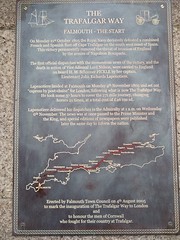
The Trafalgar Way #01
The Trafalgar Way. Falmouth. [full inscription unknown]
Passmore Edwards Free Library, Webber Street, Falmouth, United Kingdom
Subjects

.jpg)


.jpg?width=250)
The Trafalgar Way #02
The Trafalgar Way. Penryn [full inscription unknown]
Higher Market Street, Penryn, United Kingdom
Subjects

The Trafalgar Way #03
The Trafalgar Way Perranwell [full inscription unknown]
Greenwith Hill, Perranwell Station, Perranwell, United Kingdom
Subjects

The Trafalgar Way #04
The Trafalgar Way. Truro - first post-horse change. On Monday 21st October 1805 the Royal Navy decisively defeated a combined French and Spanish fleet off Cape Trafalgar on the south west coast of Spain. This victory permanently removed the threat of invasion of England by the armies of Napoleon Bonaparte. The first official dispatches with the momentous news of the victory, and the death in action of Vice Admiral Lord Nelson, were carried on board H.M. Schooner PICKLE by her captain Lieutenant John Richards Lapenotiere. Lapenotiere landed at Falmouth on Monday 4th November 1805 and set out "express by post-chaise" for London, following what is now known as The Trafalgar Way.He took some 37 hours to cover the 271 mile journey, changing horses 21 times. The first such change was made at Truro that afternoon at a cost of one pound two shillings and sixpence. Lapenotiere delivered his despatches to the Admiralty at 1a.m. on Wednesday 6th November. The news was at once passed to the Prime Minister and the King and special editions of newspapers were published later the same day to inform the nation.
Lemon street /Lemon Quay, Truro, United Kingdom
Subjects
The Trafalgar Way #05
The Trafalgar Way. Fraddon - 2nd post-horse change. On Monday 21st October 1805 the Royal Navy decisively defeated a combined French and Spanish fleet off Cape Trafalgar on the south west coast of Spain. This victory permanently removed the threat of invasion of England by the armies of Napoleon Bonaparte. The first official dispatches with the momentous news of the victory,and the death in action of Vice Admiral Lord Nelson,were carried on board H.M. Schooner PICKLE by her captain Lieutenant John Richards Lapenotiere. Lapenotiere landed at Falmouth on Monday 4th November 1805 and set out "express by post-chaise" for London, following what is now known as The Trafalgar Way. He took some 37 hours to cover the 271 mile journey, changing horses 21 times, one of these being early on the 5th at Honiton. His orders were to lose no time in reaching the Admiralty so, as the horses were still fresh, he pressed on through fog in Brentford and Chiswick towards Whitehall. Over the following four weeks other important messages arrived from the fleet with further details of the victory and anxiously awaited information on casualties. All the dispatches were landed at Falmouth and their couriers took the same route through Brentford and Chiswick where horses and hospitality were available from the inns to all travellers on what is now The Trafalgar Way.
Chapel Road, Fraddon, United Kingdom
Subjects
The Trafalgar Way #06
The Trafalgar Way. Bodmin - 3rd post-horse change. On Monday 21st October 1805 the Royal Navy decisively defeated a combined French and Spanish fleet off Cape Trafalgar on the south west coast of Spain. This victory permanently removed the threat of invasion of England by the armies of Napoleon Bonaparte. The first official dispatches with the momentous news of the victory,and the death in action of Vice Admiral Lord Nelson,were carried on board H.M. Schooner PICKLE by her captain Lieutenant John Richards Lapenotiere. Lapenotiere landed at Falmouth on Monday 4th November 1805 and set out "express by post-chaise" for London, following what is now known as The Trafalgar Way. He took some 37 hours to cover the 271 mile journey, changing horses 21 times, one of these being early on the 5th at Honiton. His orders were to lose no time in reaching the Admiralty so, as the horses were still fresh, he pressed on through fog in Brentford and Chiswick towards Whitehall. Over the following four weeks other important messages arrived from the fleet with further details of the victory and anxiously awaited information on casualties. All the dispatches were landed at Falmouth and their couriers took the same route through Brentford and Chiswick where horses and hospitality were available from the inns to all travellers on what is now The Trafalgar Way.
Fore Street, Bodmin, United Kingdom
Subjects

The Trafalgar Way #07
The Trafalgar Way. Launceston [full inscription unknown]
White Hart Hotel, Broad Street, Launceston, United Kingdom
Subjects
The Trafalgar Way #08
The Trafalgar Way. Lifton. On Monday 21st October 1805 the Royal Navy decisively defeated a combined French and Spanish fleet off Cape Trafalgar on the south west coast of Spain. This victory permanently removed the threat of invasion of England by the armies of Napoleon Bonaparte. The first official dispatches with the momentous news of the victory, and the death in action of Vice Admiral Lord Nelson, were carried to England on board H.M. Schooner PICKLE by her captain, Lieutenant John Richards Lapenotiere. Lapenotiere landed at Falmouth on Monday 4th November 1805 and set out "express by post-chaise" for London, following what is now The Trafalgar Way. He took some 37 hours to cover the 271 mile journey, changing horses 21 times, one of those times being that night in Launceston. His orders were to lose no time in reaching The Admiralty so, as the horses were still fresh, he sped on through Lifton to Okehampton. Over the following four weeks other important messages arrived from the fleet with further details of the victory and anxiously awaited information on casualties. All the dispatches were landed at Falmouth and their couriers took the same route through Lifton, where fresh horses and hospitality were available from the inns to all travellers on what is now The Trafalgar Way.
Arundel Arms, Lifton, United Kingdom
Subjects

The Trafalgar Way #09
The Trafalgar Way. Bridestowe [full inscription unknown]
Launceston Road, Bridestowe, United Kingdom
Subjects

The Trafalgar Way #10
The Trafalgar Way. Okehampton. [full inscription unknown]
The White Hart, Fore Street, Okehampton, United Kingdom
Subjects
The Trafalgar Way #11
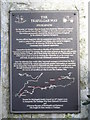
The Trafalgar Way Sticklepath On Monday 21st October 1805 the Royal Navy decisively defeated a combined French and Spanish fleet off Cape Trafalgar on the south west coast of Spain. This victory permanently removed the threat of invasion of England by the armies of Napoleon Bonaparte. The first official dispatches with the momentous news of the victory, and the death in action of Vice Admiral Lord Nelson, were carried to England on board H.M. Schooner Pickle by her captain, Lieutenant John Richards Lapenotiere. Lapenotiere landed at Falmouth on Monday 4th November 1805 and set out "express by post-chaise" for London. He took some 37 hours on the 271 mile journey, changing horses 21 times, one of these being very early on 5th at Okehampton. His orders were to lose no time in reaching the Admiralty so, as the horses were still fresh, he sped on through Sticklepath towards Crockernwell. Over the following four weeks other important messages arrived from the fleet with further details of the victory and anxiously awaited information on casualties. All the dispatches were landed at Falmouth and their couriers took the same route through Sticklepath where fresh horses and hospitality were available from the inns to all travellers on what is now The Trafalgar Way. Erected by Sticklepath Parish Council on 16th August 2005 to inaugurate The Trafalgar Way from Falmouth to London and to honour the men of Sticklepath and Dartmoor who fought for their country at Trafalgar.
, Sticklepath, United Kingdom
Subjects

The Trafalgar Way #12
The Trafalgar Way. Crockernwell - 6th post-horse change. On Monday 21st October 1805 the Royal Navy decisively defeated a combined French and Spanish fleet off Cape Trafalgar on the south west coast of Spain. This victory permanently removed the threat of invasion of England by the armies of Napoleon Bonaparte. The first official dispatches with the momentous news of the victory,and the death in action of Vice Admiral Lord Nelson,were carried on board H.M. Schooner PICKLE by her captain Lieutenant John Richards Lapenotiere. Lapenotiere landed at Falmouth on Monday 4th November 1805 and set out "express by post-chaise" for London, following what is now known as The Trafalgar Way. He took some 37 hours to cover the 271 mile journey, changing horses 21 times. The 6th such change was made at Crockernwell very early on 5th November at a cost of one pound sixteen shillings and sixpence. Lapenotiere delivered his despatches to the Admiralty at 1a.m. on Wednesday 6th November. The news was at once passed to the Prime Minister and the King and special editions of newspapers were published later the same day to inform the nation.
?, Crockernwell, United Kingdom
Subjects

The Trafalgar Way #13
The Trafalgar Way. Tedburn St Mary. [full inscription unknown]
The King's Arms, Huishlane End, Tedburn St Mary, United Kingdom
Subjects

The Trafalgar Way #14
The Trafalgar Way. Nadderwater [full inscription unknown]
opp. The Royal Oak, Nadderwater, United Kingdom
Subjects
The Trafalgar Way #15
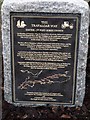
The Trafalgar Way, Exeter - 7th Post-horse Change. On Monday 21st October 1805 the Royal Navy decisively defeated a combined French and Spanish fleet off Cape Trafalgar on the south west coast of Spain. This victory permanently removed the threat of invasion of England by the armies of Napoleon Bonaparte. The first official dispatches with the momentous news of the victory, and the death in action of Vice Admiral Lord Nelson, were carried to England on board H.M. Schooner Pickle by her captain, Lieutenant John Richards Lapenotiere. Lapenotiere landed at Falmouth on Monday 4th November 1805 and set out "express by post-chaise" for London, following what is now The Trafalgar Way. He took some 37 hours to cover the 271 mile journey, changing horses 21 times. The 7th such change was made at Exeter very early on 5th November at a cost of one pound seventeen shillings and sixpence. Lapenotiere delivered his dispatches to the Admiralty at 1a.m on Wednesday 6th November. The news was at once passed to the Prime Minister and the King, and special editions of newspapers were published later the same day to inform the nation. Erected by Exeter City Council on 17th August 2005 to inaugurate The Trafalgar Way from Falmouth to London and to honour the men of Exeter who fought for their country at Trafalgar.
, Exeter, United Kingdom
Subjects

The Trafalgar Way #16
The Trafalgar Way. Clyst Honiton [full inscription unknown]
St Michael's Hill, Clyst Honiton, United Kingdom
Subjects

The Trafalgar Way #17
The Trafalgar Way. Honiton
Costa Coffee, High Street, Honiton, United Kingdom
Subjects
The Trafalgar Way #18
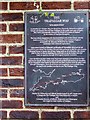
The Trafalgar Way. Wilmington. On Monday 21st October 1805 the Royal Navy decisively defeated a combined French and Spanish fleet off Cape Trafalgar on the south west coast of Spain. This victory permanently removed the threat of invasion of England by the armies of Napoleon Bonaparte. The first official dispatches with the momentous news of the victory,and the death in action of Vice Admiral Lord Nelson,were carried on board H.M. Schooner PICKLE by her captain Lieutenant John Richards Lapenotiere. Lapenotiere landed at Falmouth on Monday 4th November 1805 and set out "express by post-chaise" for London, following what is now known as The Trafalgar Way. He took some 37 hours to cover the 271 mile journey, changing horses 21 times, one of these being early on the 5th at Honiton. His orders were to lose no time in reaching the Admiralty so, as the horses were still fresh, he pressed on through fog in Brentford and Chiswick towards Whitehall. Over the following four weeks other important messages arrived from the fleet with further details of the victory and anxiously awaited information on casualties. All the dispatches were landed at Falmouth and their couriers took the same route through Wilmington, where horses and hospitality were available from the inns to all travellers on what is now The Trafalgar Way.
The White Hart, Wilmington, Devon, United Kingdom
Subjects

The Trafalgar Way #19
The Trafalgar Way. Kilmington [full inscription unknown]
Village Hall, Kilmington, United Kingdom
Subjects
The Trafalgar Way #20
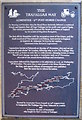
The Trafalgar Way. Axminster - 9th post-horse change On Monday 21st October 1805 the Royal Navy decisively defeated a combined French and Spanish fleet off Cape Trafalgar on the south west coast of Spain. This victory permanently removed the threat of invasion of England by the armies of Napoleon Bonaparte. The first official dispatches with the momentous news of the victory, and the death in action of Vice Admiral Lord Nelson, were carried to England on board H.M. Schooner PICKLE by her captain, Lieutenant John Richards Lapenotiere. Lapenotiere landed at Falmouth on Monday 4th November 1805 and set out "express by post-chaise" for London, following what is now The Trafalgar Way. He took some 37 hours to cover the 271 mile journey, changing horses 21 times. The 11th such change was made at Dorchester on the morning of 5th November at a cost of two pounds fourteen shillings and sixpence. Lapenotiere delivered his dispatches to the Admiralty at 1 a.m. on Wednesday 6th November. The news was at once passed to the Prime Minister and the King, and special editions of newspapers were published later the same day to inform the nation.
Trinity House, Victoria Place, Axminster, United Kingdom